
Scrapers: The Unsung Heroes of Surface Preparation and Restoration
By Abdullah Al-Hassoun Pool Services | 03/03/2026
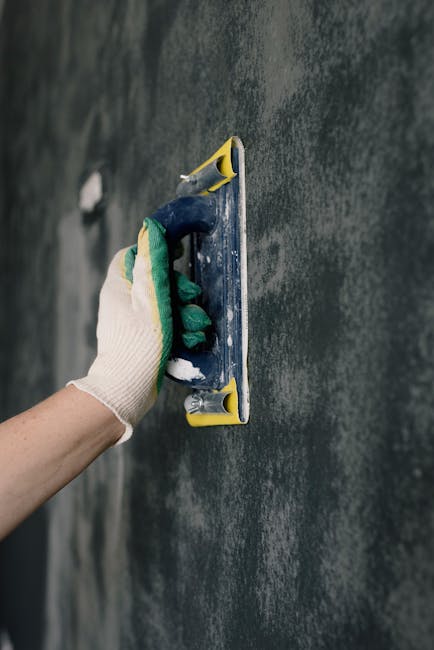
In the world of construction, renovation, and DIY projects, few tools are as fundamentally important yet often overlooked as scrapers. These seemingly simple implements are the backbone of quality surface preparation, enabling professionals and homeowners alike to achieve smooth, clean results that form the foundation for beautiful finishes. Understanding how to select, use, and maintain scrapers can transform challenging preparation work from a frustrating chore into an efficient, satisfying process.
The Essential Role of Scrapers in Modern Projects
Scrapers serve as the bridge between old, damaged surfaces and new, pristine finishes. Whether you’re removing decades-old paint from vintage furniture or preparing walls for fresh coats, scrapers provide the precision and control necessary for professional results. Unlike aggressive power tools that can damage delicate substrates, scrapers offer surgical precision that preserves the integrity of underlying materials while effectively removing unwanted coatings.
The beauty of scrapers lies in their mechanical simplicity combined with sophisticated engineering. Modern scrapers feature ergonomically designed handles, precision-ground blades, and balanced weight distribution that maximizes efficiency while minimizing user fatigue. This evolution has made scrapers more effective and comfortable than ever before.
Diverse Types of Scrapers for Every Application
Traditional Paint Scrapers
Classic paint scrapers feature wide, rigid blades perfect for removing paint from large, flat surfaces. These workhorses excel at stripping walls, doors, and siding efficiently. Quality paint scrapers balance blade width with handle leverage to provide maximum material removal with reasonable effort.
Flexible Putty Knife Scrapers
Flexible scrapers combine scraping functionality with smoothing capabilities. These versatile tools work excellently for removing caulk, spreading filler materials, and working around curved surfaces where rigid scrapers might struggle.
Pull-Type Scrapers
Professional pull scrapers feature sharp, often replaceable blades designed to cut through materials rather than simply pushing them off. These scrapers require less physical effort and often produce superior surface finishes compared to traditional push-style tools.
Specialty Scrapers
Specialized scrapers include triangular models for corners, detail scrapers for intricate work, and carbide-blade versions for extremely tough materials. These specialized scrapers ensure you have the right tool for every specific challenge.
Key Advantages of Using Professional Scrapers
Unmatched Precision
Scrapers offer a level of control that power tools simply cannot match. When working around delicate trim, vintage details, or expensive substrates, scrapers provide the surgical precision needed to remove only what’s necessary while preserving everything else.
Economic Efficiency
Quality scrapers represent outstanding long-term value. They require no electricity, have minimal maintenance requirements, and can serve reliably for decades with proper care. Replacement blades cost a fraction of power tool maintenance expenses.
Environmental Considerations
Scrapers generate no dust, require no electricity, and produce minimal waste compared to power sanding or grinding. This makes scrapers the environmentally responsible choice for surface preparation work.
Versatile Performance
Modern scrapers handle a remarkable range of materials including paint, varnish, adhesives, caulk, wallpaper, and even ice removal. This versatility makes scrapers invaluable additions to any serious tool collection.
Professional Techniques for Maximum Scraper Effectiveness
Proper Angle and Pressure
Effective use of scrapers requires understanding optimal blade angles and pressure application. Generally, maintaining a 30–45 degree angle provides the best balance of cutting efficiency and surface protection. Consistent pressure prevents gouging while ensuring effective material removal.
Systematic Work Patterns
Professional results with scrapers come from systematic approaches. Work in manageable sections, maintaining consistent overlap patterns to ensure complete coverage. This methodical approach with scrapers prevents missed spots and ensures uniform surface preparation.
Blade Maintenance
Sharp blades make scrapers significantly more effective and safer to use. Dull scrapers require excessive force, increasing the risk of slipping and surface damage. Regular sharpening or blade replacement keeps scrapers performing optimally.
Heat and Chemical Integration
Combining scrapers with heat guns or chemical strippers dramatically improves efficiency. Softened materials remove more easily, reducing the physical effort required and often producing cleaner results than scrapers alone.
Selecting Quality Scrapers for Your Needs
Blade Construction
The blade quality determines scraper performance and longevity. Look for scrapers with high-carbon steel blades that hold edges well and resist chipping. Premium scrapers often feature replaceable blades for extended tool life.
Handle Design
Ergonomic handles significantly impact scraper usability during extended projects. Quality scrapers feature comfortable grips, proper balance, and sufficient length to provide leverage without causing hand strain.
Size Considerations
Different projects demand different scraper sizes. Wide scrapers cover areas quickly but lack precision in tight spaces. Narrow scrapers provide detailed control but require more time for large areas. Building a collection of various scraper sizes ensures optimal tools for every situation.
Safety and Maintenance Practices
Personal Protection
Using scrapers safely requires appropriate personal protective equipment. Safety glasses protect against flying debris, while work gloves provide grip and protection from sharp blades. When dealing with older painted surfaces, respiratory protection becomes essential.
Lead Paint Considerations
Scrapers used on pre-1978 painted surfaces require special precautions due to potential lead content. Follow EPA guidelines for lead-safe work practices, including containment, proper disposal, and appropriate respiratory protection.
Tool Care
Proper maintenance extends scraper life significantly. Clean blades immediately after use, store tools properly to prevent damage, and maintain sharp edges through regular sharpening or blade replacement.
Conclusion
Scrapers represent fundamental tools that bridge the gap between old, damaged surfaces and new, beautiful finishes. Their combination of precision, versatility, and reliability makes scrapers indispensable for anyone serious about quality surface preparation work. Whether tackling furniture restoration, home renovation, or professional contracting work, understanding how to select, use, and maintain scrapers effectively will elevate your results while making challenging preparation work more manageable and satisfying.
Investing in quality scrapers and developing proper techniques pays dividends in improved results, reduced effort, and enhanced project satisfaction. These humble yet essential tools deserve recognition as the foundation of quality surface preparation work.