
The Complete Guide to Paint Brushes and Spray Paint: Master Both Methods for Perfect Finishes
By Abdullah Al-Hassoun Pool Services | 02/12/2025
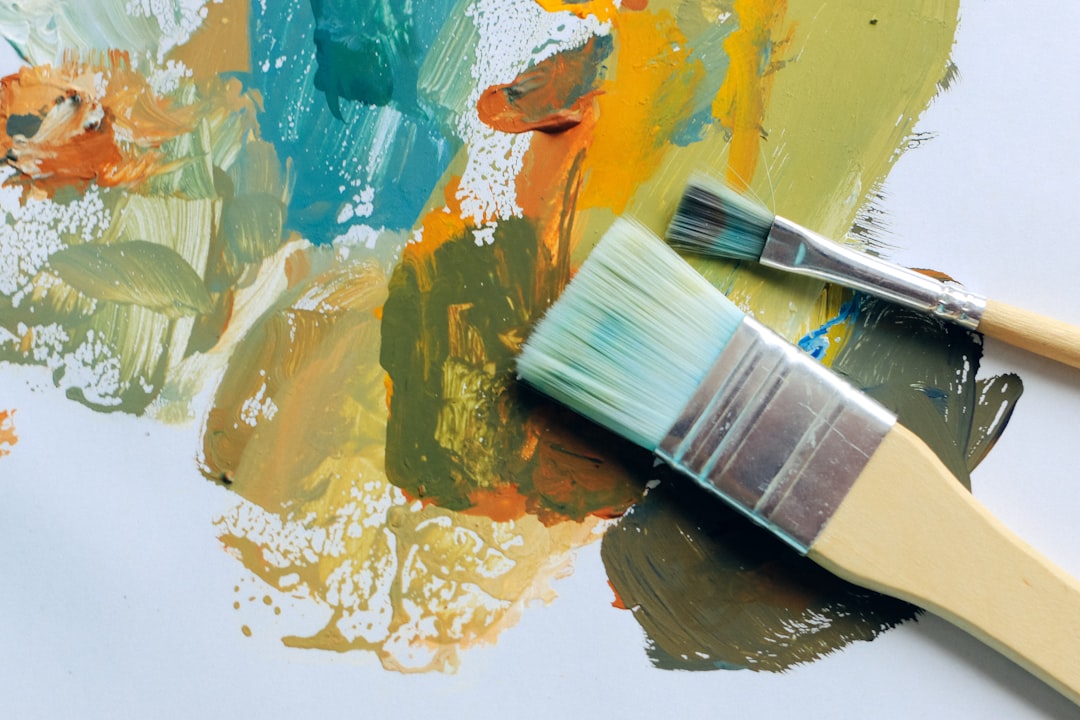
Introduction: Two Essential Painting Methods
In the world of painting and finishing, two fundamental application methods stand out for their unique capabilities and widespread use. Understanding paint brushes and spray paint techniques opens up a complete spectrum of finishing possibilities, from detailed precision work to efficient coverage of large areas, from traditional craftsmanship to modern convenience.
The paint brushes represent the oldest painting tool, refined over centuries to provide unmatched control and precision. From cutting in perfect edges to applying smooth finishes on trim and furniture, quality brushes remain absolutely essential for serious painters. Meanwhile, spray paint technology offers revolutionary convenience and consistency, delivering professional-quality finishes in a portable, easy-to-use format that has transformed countless applications.
Whether you are a professional craftsman, a DIY enthusiast, or someone tackling occasional projects around your home, understanding when and how to use each method ensures you achieve the best possible results. This guide will explore both techniques comprehensively, helping you master the tools and methods that produce flawless finishes.
Understanding Paint Brushes: Construction and Types
Quality paint brushes are sophisticated tools whose construction significantly affects their performance. Understanding brush components helps you select and use these tools effectively.
Bristle Materials: Natural bristles derived from animal hair excel with oil-based paints, varnishes, and stains. Their microscopic structure holds and releases these products beautifully for smooth finishes. Synthetic bristles made from nylon, polyester, or blends are designed for water-based paints, maintaining shape when wet. Quality synthetic brushes handle both coating types acceptably, offering versatile performance.
Brush Shapes and Sizes: Flat brushes with squared edges are versatile workhorses for general painting. Angled sash brushes feature bristles cut at angles, creating pointed tips that excel at cutting in clean lines along edges. Round brushes offer unique capabilities for decorative and detail work. Sizes range from tiny artist brushes to large wall brushes, with most projects requiring multiple sizes for different tasks.
Quality Indicators: Premium paint brushes feature firmly anchored bristles that resist shedding, maintain their shape through extended use, hold appropriate paint loads, and release paint smoothly and evenly. Comfortable handles reduce fatigue during long painting sessions. Investing in quality brushes from suppliers like Tower Tools provides tools that perform project after project.
Mastering Paint Brush Techniques
Achieving professional results with paint brushes requires proper technique refined through practice and understanding.
Loading the Brush: Dip approximately one-third of bristle length into paint. This loads adequate paint while keeping the ferrule area clean. After dipping, tap the brush gently against the container inside to remove excess. Avoid wiping across the rim, which removes too much paint.
Application Methods: Hold the brush at slight angles rather than perpendicular to surfaces. This allows bristle tips to do the work while the brush body serves as reservoir. For cutting in along edges, use steady, confident strokes letting bristle tips establish clean lines. On flat surfaces, use smooth, flowing strokes in consistent directions.
Laying Off Technique: After applying and spreading paint, make final light strokes all in the same direction using minimal pressure. This smooths applied paint and minimizes visible brush marks for professional appearance.
Cleaning and Care: Clean brushes immediately after use before paint dries. For water-based paints, rinse with warm water and soap until water runs clear. For oil-based products, use appropriate solvent first, then wash with soap and water. Reshape bristles and store hanging or lying flat, never standing on bristles.
Understanding Spray Paint: Technology and Applications
Spray paint delivers professional-quality finishes through sophisticated pressurized systems that atomize paint into fine droplets settling evenly on surfaces.
How Spray Paint Works: Inside each can, paint mixes with propellant under pressure. Pressing the nozzle releases this pressure, forcing paint through a tiny opening that atomizes it into consistent spray pattern. Quality spray paints maintain consistent pressure and spray characteristics throughout the can’s life.
Applications and Advantages: Spray paint excels at covering irregular surfaces that brushes struggle with, achieving ultra-smooth finishes without brush marks, efficiently coating multiple small items, providing even coverage on detailed or textured surfaces, and delivering consistent results with minimal skill requirement. These advantages make spray paint invaluable for countless projects.
Popular Uses: Automotive touch-ups and customization, furniture refinishing and updates, metal surface restoration and protection, craft and art projects requiring smooth finishes, and industrial applications needing durable coatings all benefit from spray paint technology.
Professional Spray Paint Techniques
Mastering spray paint application produces results that rival professional spray booth work.
Preparation is Critical: Clean surfaces thoroughly removing all contamination. Sand glossy surfaces to create tooth for adhesion. Apply appropriate primer for bare or challenging surfaces. Mask areas you don’t want painted using painter’s tape and paper.
Application Method: Shake cans thoroughly for at least two minutes to mix paint and metallic pigments completely. Test spray on cardboard to verify pattern and color. Hold the can 8–12 inches from surfaces. Use smooth, sweeping motions keeping the can moving at consistent speed. Start spraying before reaching your surface and continue past the edge. Overlap each pass by about 50% for even coverage.
Multiple Thin Coats: Apply several thin coats rather than attempting full coverage in one heavy application. Thin coats dry faster, resist runs and sags, and build to smoother final finishes. Allow appropriate drying time between coats, typically 10–20 minutes for recoating.
Environmental Considerations: Work in well-ventilated areas away from flames or sparks. Ideal temperature range is 50–85°F. Avoid direct sunlight or high humidity. Protect yourself with appropriate respirator, safety glasses, and gloves.
Choosing Between Brushes and Spray Paint
Understanding when to use paint brushes versus spray paint ensures optimal results for every situation.
Use Paint Brushes When: You need precise control for cutting in edges, you’re painting trim, moldings, or detailed elements, you’re working with large quantities of paint, you want to minimize overspray concerns, or you’re applying specialty coatings requiring brush application.
Use Spray Paint When: You’re coating irregular or detailed surfaces, you want ultra-smooth finishes without brush marks, you’re painting multiple small items, you need consistent coverage on textured surfaces, or you’re working on small to medium projects where spray can format is convenient.
Combining Both Methods: Many projects benefit from using both techniques. Brush-paint large surfaces for efficiency, then spray-paint detailed elements for smooth finishes. Or spray-paint base coats, then brush-apply final protective topcoats. Leveraging the strengths of each method produces superior overall results.
Building Your Complete Toolkit
Quality painting requires having both paint brushes and spray paint options available for different situations.
Essential Paint Brushes: Angled sash brush (2–2.5 inches) for cutting in and trim, flat brush (3–4 inches) for general painting, smaller detail brushes (1–2 inches) for fine work, and both natural bristle brushes for oil-based products and synthetic brushes for water-based paints.
Spray Paint Selection: Stock various colors for different projects, include primer spray for proper base preparation, keep specialty finishes like metallics and textures available, and maintain clear coats for protecting spray-painted surfaces.
Supporting Tools: Quality painter’s tape for masking, drop cloths for protection, sandpaper and preparation supplies, safety equipment including respirators and gloves, and cleaning supplies for brush maintenance.
Tower Tools offers comprehensive selections of both paint brushes and spray paint products, allowing you to source complete toolkits from a single reliable supplier committed to professional-grade quality.
Why Choose Tower Tools for Painting Supplies
For painters throughout the UAE and GCC region, Tower Tools represents the premier destination for quality painting supplies. Their extensive selection includes professional-grade paint brushes in all sizes and types, comprehensive spray paint offerings in numerous colors and finishes, complete ranges of application tools and accessories, and surface preparation equipment.
Quality assurance ensures every product meets professional standards. Competitive pricing makes premium tools accessible. Expert service provides guidance on product selection and application techniques. Convenient delivery throughout the UAE with next-day service in major cities, plus GCC coverage through distribution partners, makes sourcing supplies efficient.
Conclusion: Master Both Methods for Complete Capability
Understanding both paint brushes and spray paint techniques provides complete finishing capability for any project you encounter. Quality tools from Tower Tools combined with proper technique produce professional results that transform surfaces beautifully.
Ready to equip yourself with quality painting tools? Visit www.towertools.ae today to explore their complete range of paint brushes, spray paint products, and professional painting supplies. Discover the quality that makes every project successful.
Frequently Asked Questions
When should I use paint brushes versus spray paint? Use paint brushes for precise control, large surfaces, and detailed work. Use spray paint for smooth finishes, irregular surfaces, and convenient small-project application.
How do I clean paint brushes properly? Clean immediately after use. For water-based paint, rinse with warm water and soap. For oil-based products, use appropriate solvent then wash with soap and water. Reshape and store properly.
What safety precautions are needed for spray paint? Work in well-ventilated areas. Wear appropriate respirator, safety glasses, and gloves. Avoid flames and sparks. Maintain proper distance from surfaces during application.
Does Tower Tools carry both paint brushes and spray paint? Yes, Tower Tools offers comprehensive selections of both paint brushes and spray paint products for professional results.
To build or enhance your own AI-driven real estate platform, contact ControlShift for expert digital and AI services.